
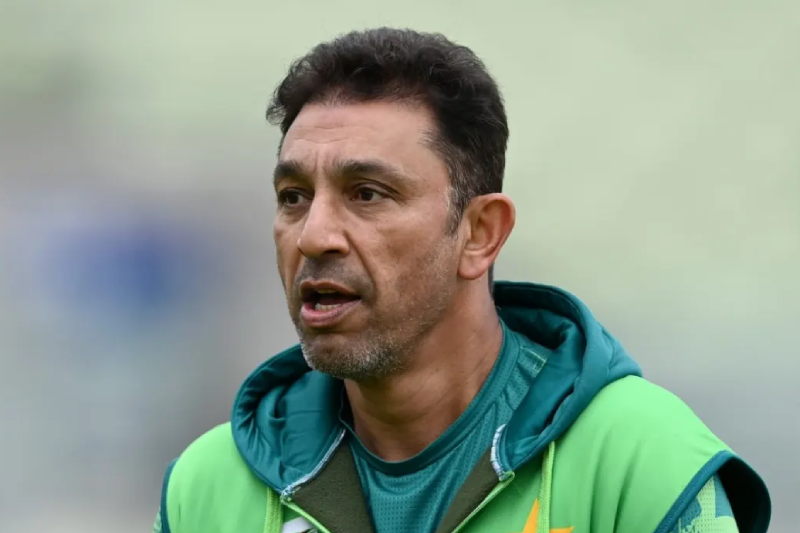
Azhar Mahmood was appointed acting head coach in June 2024 with his contract initially scheduled to run until March 2026. However, with no Tests scheduled until Pakistan’s away series in Bangladesh in March-April next year, both parties agreed to terminate the arrangement now rather than maintain it through an extended period of inactivity.
Brief Tenure and Creditable Performance
During his short stint as head coach, Mahmood oversaw just one Test series—a creditable 1-1 draw at home against world Test champions South Africa. The result represented a solid performance given South Africa’s quality and championship pedigree, suggesting Mahmood’s coaching had positive impact during his limited opportunity.
“I was appointed by the PCB for a specific tenure, during which I carried out my responsibilities with professionalism and dedication,” Mahmood told ESPNcricinfo. “My contract has now come to an end, and I extend my best wishes to the team for their continued success in their future endeavors.”
His diplomatic statement reflects the mutual nature of the separation and avoids any suggestion of discord between Mahmood and the Pakistan Cricket Board a refreshing departure from some previous coaching departures that involved controversy or public disagreements.
Broader Association with Pakistan Cricket
Mahmood’s relationship with Pakistan cricket extended beyond his acting head coach role. He was originally appointed as an all-formats assistant coach in April 2024, supporting Gary Kirsten with white-ball teams and Jason Gillespie with the red-ball side. He had also overseen a white-ball series in an interim capacity earlier that month, demonstrating the PCB’s confidence in his capabilities across formats.
This marked Mahmood’s second stint with the Pakistan national team. He previously served as bowling coach during Mickey Arthur’s tenure as head coach between 2016 and 2019, giving him familiarity with Pakistan cricket’s structures, player personalities, and the unique challenges of coaching the national side.
His experience as both assistant and head coach, combined with his playing career as an accomplished all-rounder for Pakistan, provided valuable perspective and credibility when working with current players.
Return to Franchise Cricket
Mahmood is currently serving as fast-bowling coach for the table-topping Desert Vipers in the ILT20, and a return to the franchise cricket circuit in coaching capacities appears likely following his departure from the Pakistan role.
His coaching resume includes significant franchise cricket experience he served as head coach at Islamabad United in the Pakistan Super League and was assistant coach at Surrey before joining the Pakistan national setup. This extensive franchise experience makes him an attractive candidate for teams seeking proven coaching expertise.
Franchise cricket coaching offers several advantages compared to international roles: shorter, more defined commitments; less political pressure and public scrutiny; often competitive financial compensation; and opportunities to work with diverse international talent in professional environments.
For coaches like Mahmood who possess both playing credibility and coaching experience, the global franchise circuit provides sustainable career paths that don’t depend on the volatile dynamics of national team appointments.
Continuing Management Churn
Mahmood’s departure perpetuates the concerning pattern of instability that has characterized Pakistan’s cricket management in recent years. The PCB will now begin searching for their eighth head coach for the Test side since 2021 an extraordinary turnover rate that undermines continuity and makes long-term planning virtually impossible.
This figure includes periods when Pakistan’s coaching structure itself changed significantly, such as when Mohammad Hafeez served as team director, or when Grant Bradburn was coach while Arthur held the team director position. These structural experiments added further complexity and instability to an already turbulent situation.
Frequent coaching changes create multiple problems: players must constantly adapt to new philosophies and methods; tactical plans and strategic visions get abandoned before producing results; institutional knowledge and continuity disappear; and coaches operate without security or long-term investment in their positions.
The pattern raises fundamental questions about Pakistan cricket’s governance and decision-making processes. Why does coaching turnover remain so high? Are expectations unrealistic? Do administrative politics interfere with coaching stability? Are selection processes flawed? Does the PCB lack patience when results don’t arrive immediately?
No Immediate Urgency
With no Test cricket scheduled until March-April’s Bangladesh series, the PCB faces no immediate pressure to appoint Mahmood’s replacement. This timeline provides opportunity for thorough evaluation of candidates and thoughtful decision-making rather than rushed appointments driven by calendar pressures.
However, the extended gap also means Pakistan’s Test team will enter their next series having not played the format for months and potentially working with yet another coaching change circumstances that rarely produce optimal performance.
The PCB must balance taking adequate time to identify the right candidate against ensuring whoever is appointed has sufficient preparation time with the squad before competitive cricket resumes. Leaving the appointment too late could result in another underprepared coaching arrangement that sets up failure from the outset.
Also read this: Shaheen Afridi Suffers Tough Start in BBL Debut
Systemic Issues Require Attention
Beyond simply finding Mahmood’s replacement, the PCB must address the systemic issues that produce such frequent coaching turnover. Until underlying problems are resolved whether they involve governance structures, unrealistic expectations, inadequate support systems, or political interference Pakistan will continue cycling through coaches without achieving the stability necessary for sustained success.
Successful cricket nations typically maintain coaching continuity over multiple years, allowing philosophies to take root, relationships to develop, and strategic visions to materialize. Pakistan’s inability to provide this stability places the national team at a significant disadvantage compared to rivals who benefit from consistent leadership and direction.
Azhar Mahmood’s departure as Pakistan Test head coach concludes a brief tenure that produced creditable results in limited opportunities but ultimately fell victim to calendar realities and the mutual decision to end the contract early. His professionalism and diplomatic handling of the separation stands in positive contrast to some previous coaching exits.
As Mahmood returns to franchise cricket coaching where his experience and expertise remain highly valued, the Pakistan Cricket Board begins yet another search for a Test head coach the eighth since 2021. This continuing pattern of instability represents one of Pakistan cricket’s most significant challenges and requires systemic solutions rather than simply identifying the next candidate.
Until the PCB addresses the underlying factors that produce such frequent coaching turnover, Pakistan will struggle to achieve the continuity and stability that underpin sustained international success. For now, the search begins again, with hopes that the next appointment might finally break the cycle of constant change that has characterized Pakistan’s cricket management in recent years.
Keep conntected with us Facebook,Youtube and Twitter for latest Sports news happening around the globe.