
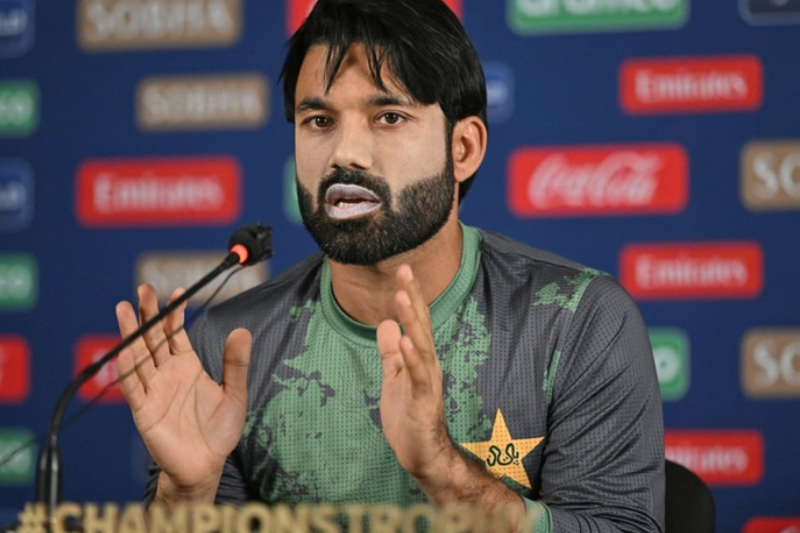
According to media reports, the star wicketkeeper-batsman has refused to sign his PCB central contract for the 2025-26 season after being demoted from Category A to Category B. Rizwan has reportedly requested formal clarification from the board regarding the decision before committing his signature to the deal.
The Contract Controversy
The PCB announced central contracts for 30 players on July 1, 2025, covering the period through June 30, 2026. In an unusual move, the board left Category A completely empty this cycle, distributing players across Categories B, C, and D instead.
This restructuring has significant implications for Pakistan’s senior players. Both Rizwan and former captain Babar Azam held prestigious Category A contracts during the previous season but now find themselves relegated to Category B a move that carries financial consequences and raises questions about the board’s player evaluation criteria.
The demotion hasn’t gone unnoticed among Pakistan’s established internationals. While several contracted players have already signed their agreements, Rizwan remains the only high-profile name reported to have withheld his signature pending explanations from the PCB.
Financial and Symbolic Impact
Central contract categories determine not just player salaries but also reflect the PCB’s assessment of a player’s value and importance to Pakistan cricket. The downgrade from Category A to Category B represents both a financial reduction and a symbolic blow to players who have been pillars of Pakistan’s recent performances across formats.
Rizwan’s case is particularly noteworthy given his consistent contributions to Pakistan cricket. The wicketkeeper-batsman has been one of Pakistan’s most reliable performers in recent years, regularly delivering match-winning performances across all three formats. His demotion, alongside Babar Azam’s similar fate, suggests the PCB is implementing significant changes in how it evaluates and rewards player contributions.
The absence of any Category A contracts raises fundamental questions about the PCB’s new approach. Is this a cost-cutting measure? A performance-based reassessment? Or part of broader reforms within Pakistan cricket’s administrative structure? Without official clarification, speculation continues to grow among players and fans alike.
Context of Administrative Upheaval
Rizwan’s contract dispute emerges against a backdrop of significant changes within Pakistan’s cricket setup. The white-ball teams have experienced rapid leadership transitions, with recent captaincy shuffles creating uncertainty about the team’s direction.
Most notably, Shaheen Shah Afridi was recently named ODI captain, marking another change in Pakistan’s leadership structure. The fast bowler’s appointment adds to the ongoing debate about selection policies and the criteria the PCB uses for determining both leadership positions and contract categories.
These simultaneous changes central contract restructuring and captaincy appointments have intensified scrutiny of the PCB’s decision-making processes. Senior players are naturally questioning whether transparent, merit-based systems guide these choices or whether other factors influence the board’s policies.
Rizwan’s Position
Reports indicate that Rizwan isn’t outright refusing the contract but rather seeking proper explanation before signing. This measured approach suggests the wicketkeeper-batsman wants clarity on the PCB’s reasoning rather than engaging in confrontation.
His request for clarification appears reasonable given the circumstances. Players deserve to understand the criteria behind contract categorizations, especially when experiencing downgrades despite consistent performances. Transparency in such matters helps maintain trust between players and administrators a crucial element for any successful cricket system.
Rizwan’s stance may also reflect concerns shared by other senior players who have witnessed the rapid changes within Pakistan cricket administration. By seeking explanations, he might be advocating for clearer communication and more transparent decision-making processes within the PCB.
What Comes Next?
The resolution of this standoff depends entirely on how the PCB responds to Rizwan’s request. If the board provides satisfactory formal explanations regarding the contract restructuring and his specific demotion, Rizwan will likely sign the agreement soon, and the matter will be resolved quietly.
However, if the PCB fails to offer adequate clarification or dismisses the player’s concerns, the situation could escalate into public disagreement between one of Pakistan’s senior internationals and the board. Such conflicts rarely benefit either party and can create distractions that impact team performance and morale.
The broader implications extend beyond Rizwan’s individual case. How the PCB handles this situation will signal to all contracted players whether the board values transparent communication and is willing to explain its decisions to those directly affected.
Also read this: Why Pakistan Keeps Failing Against Top T20I Teams
Larger Questions for Pakistan Cricket
This contract controversy highlights ongoing challenges within Pakistan cricket administration. Frequent changes in leadership, both on-field and administrative, have created an environment of uncertainty that makes long-term planning difficult.
For Pakistan cricket to achieve sustained success, stability and clear communication between the board and players are essential. Contract disputes, while sometimes inevitable, should be resolved through transparent dialogue that respects players’ contributions while maintaining administrative authority.
As it stands, Mohammad Rizwan remains unsigned, awaiting explanations that could either resolve this matter quickly or transform it into a more significant conflict. The coming days will reveal whether the PCB recognizes the importance of addressing senior players’ legitimate concerns or risks alienating key members of Pakistan’s cricket fraternity.
The outcome will likely influence not just Rizwan’s relationship with the board but also set precedents for how the PCB engages with players on contractual and administrative matters moving forward.
Keep conntected with us Facebook,Youtube and Twitter for latest Sports news happening around the globe.