
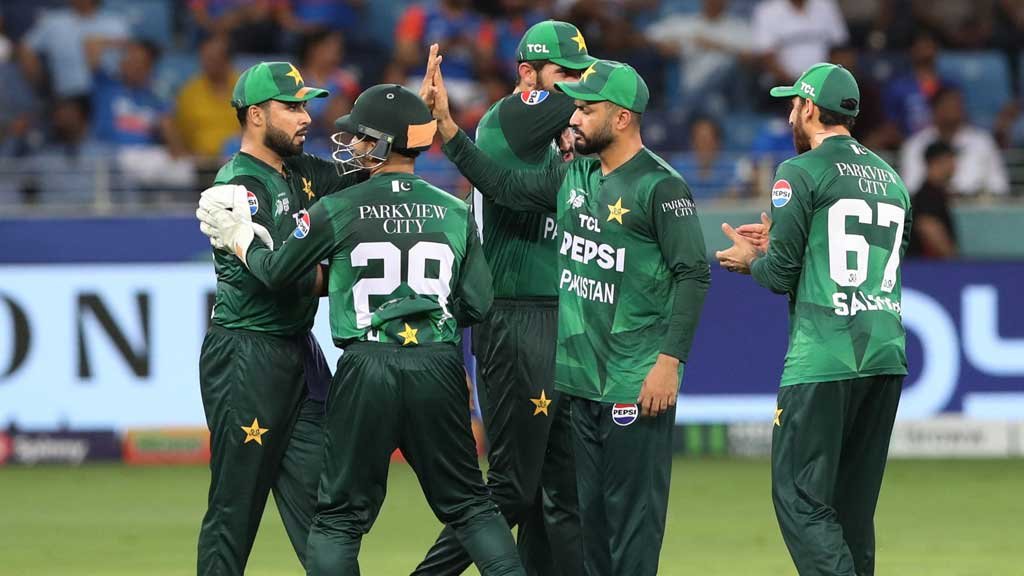
Pakistan’s recent T20I performance against cricket’s elite teams has become a growing concern for fans and analysts alike. Following their humiliating defeat to South Africa in Rawalpindi under Salman Ali Agha’s captaincy, uncomfortable questions are emerging about the Men in Green’s ability to compete with top-tier opposition.
The statistics paint a troubling picture that demands attention from selectors, coaches, and players. Pakistan’s struggles aren’t just about individual losses they represent a systemic issue that threatens their credibility as a competitive force in international T20 cricket.
The Damning Numbers
Pakistan’s recent T20I record against cricket powerhouses reveals a crisis of alarming proportions. In their last 25 matches against the world’s top five teams India, Australia, England, South Africa, and New Zealand Pakistan have managed just a single victory. This shocking statistic represents a win percentage of merely 4%, a figure that would have been unthinkable during Pakistan’s golden period under Babar Azam in 2021-22.
Breaking down the numbers further exposes the depth of Pakistan’s struggles:
Against India: Pakistan have lost all five recent encounters without registering a single win, continuing their historic struggles against their arch-rivals in T20 cricket.
Against Australia: Seven consecutive defeats demonstrate Pakistan’s complete inability to challenge the reigning world champions, who have dominated them across all conditions.
Against England: The birthplace of modern T20 cricket has proven to be Pakistan’s nemesis, with five straight losses highlighting tactical and technical deficiencies.
Against South Africa: Three consecutive defeats, including the latest humiliation in Rawalpindi, show that even home conditions offer no advantage against quality opposition.
Against New Zealand: Four losses from five matches reveal Pakistan’s struggles against the Kiwis’ disciplined approach to limited-overs cricket.
The Growing Gap
What makes these statistics particularly concerning is the contrast with Pakistan’s performance against lower-ranked teams. The Men in Green continue to register comfortable victories against sides like Sri Lanka, West Indies, Bangladesh, and Afghanistan. This inconsistency highlights a fundamental problem: Pakistan can dominate weaker opposition but crumble when facing teams with superior resources, planning, and execution.
This pattern suggests that Pakistan’s issues aren’t solely about individual talent the country continues producing gifted cricketers. Instead, the problems appear rooted in preparation, adaptability, and mental fortitude when competing against established nations who have invested heavily in their T20 infrastructure and analytics.
What’s Behind the Collapse?
Several factors contribute to Pakistan’s dismal record against top teams. Constant changes in coaching staff and captaincy have created instability, preventing the development of consistent strategies and team cohesion. When leadership changes frequently, players struggle to adapt to different philosophies and expectations, resulting in confused performances on the field.
Additionally, Pakistan’s approach to T20 cricket appears outdated compared to modern powerhouses. While teams like England and Australia have embraced data analytics, specialized coaching, and aggressive batting philosophies, Pakistan often relies on traditional approaches that prove inadequate against well-prepared opponents.
The team’s inability to handle pressure situations against quality bowling attacks is another critical weakness. Pakistan’s batting lineup, despite containing talented individuals, regularly collapses when confronted by disciplined bowling and smart field placements from top teams.
World Cup Concerns
With the T20 World Cup 2026 approaching, Pakistan’s current form raises serious doubts about their ability to compete for the title. World Cups require teams to consistently perform against the best sides precisely where Pakistan have struggled most dramatically.
History shows that teams rarely reverse such dramatic downturns overnight. Pakistan will need comprehensive changes in their preparation methods, tactical approaches, and mental conditioning to bridge the widening gap between themselves and cricket’s elite nations.
Also read this: Babar Azam Targets New T20I Records in South Africa
The Path Forward
Pakistan cricket team faces difficult decisions ahead. Simply shuffling players or changing captains won’t address the fundamental issues evident in these statistics. The team requires structural reforms, investment in modern coaching techniques, and development of strategies specifically designed to counter top-tier opposition.
The numbers don’t lie Pakistan aren’t just losing matches; they’re losing their reputation as one of cricket’s most dangerous T20 sides. Once feared worldwide for their unpredictability and match-winning talents, Pakistan have become predictable in their struggles against quality teams.
For Pakistani cricket to regain its standing in T20 internationals, acknowledging these harsh realities represents the essential first step. Only through honest assessment and willingness to implement difficult changes can the Men in Green hope to reverse this alarming trend and compete effectively when it matters most.
Keep conntected with us Facebook,Youtube and Twitter for latest Sports news happening around the globe.
2 thoughts on “Why Pakistan Keeps Failing Against Top T20I Teams”